
This island in the Pacific Ocean is shaping the future of global sports and health
Need to know - Taiwan is applying its industrial strengths to healthcare and sustainable mobility. - Computing power, clinical data, and commercialization are driving smart healthcare innovation. - An…
Need to know
- Taiwan is applying its industrial strengths to healthcare and sustainable mobility.
- Computing power, clinical data, and commercialization are driving smart healthcare innovation.
- An integrated bicycle ecosystem supports sourcing, collaboration, and smart mobility solutions.
Taiwan is helping facilitate technological progress through local innovation, anchored in its ICT and semiconductor expertise, and by supporting global manufacturers with integrated, highly agile supply chains that enable smarter, higher-quality products.
Smarter healthcare systems and more sustainable mobility highlight how Taiwan’s industrial strength is helping address two global priorities.
Smart healthcare
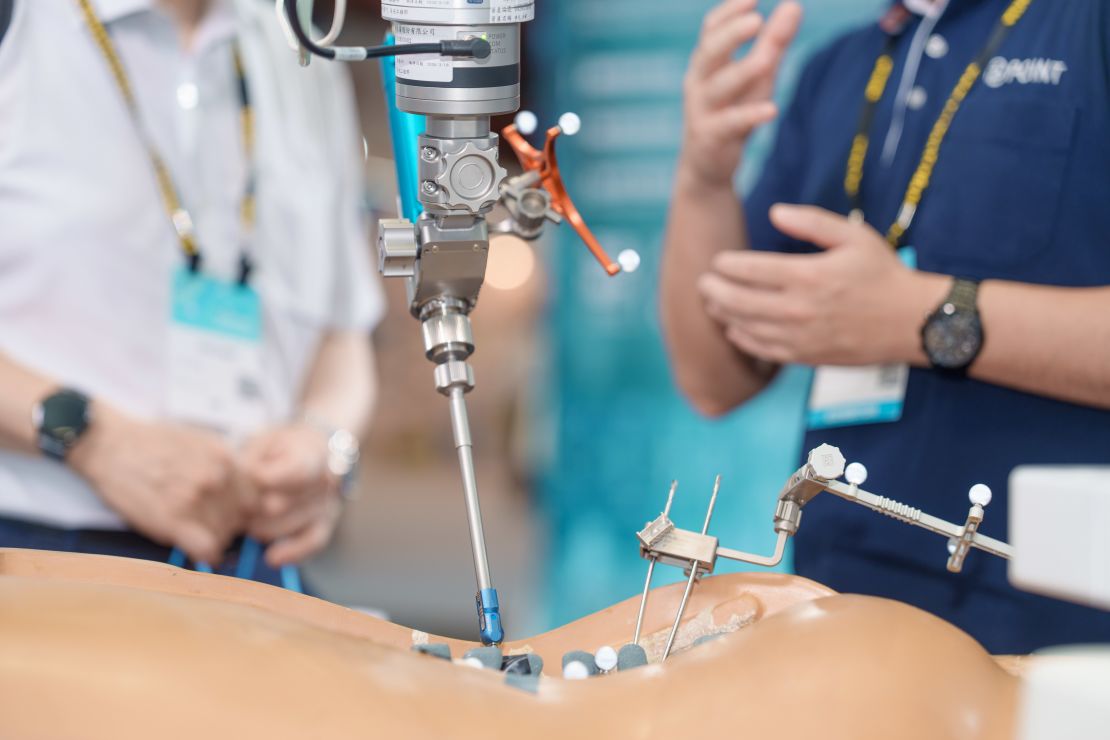
As healthcare systems worldwide face mounting pressures from aging populations and growing demand for more accessible care, the need for smarter healthcare solutions is accelerating. Taiwan is emerging as a key contributor to this transformation, combining world-leading computing capabilities with rich clinical datasets and a coordinated commercialization ecosystem.
Built on decades of expertise in ICT, semiconductors, integrated circuit (IC) design, sensors, and precision manufacturing, Taiwan has developed the technological foundation for next-generation healthcare innovation.
Taiwan’s National Health Insurance system covers over 99.6% of the population of around 23 million people, while the National Health Insurance Research Database provides more than 20 years of longitudinal health records, providing exceptional depth for clinical research and training AI models for digital health innovation. Across the island, 23 medical centers are set to unify electronic health records on a national cloud platform, creating a large-scale, real-world environment for developing and validating AI applications in clinical settings. Seven Taiwanese hospitals hold HIMSS EMRAM Stage 7 certification—the highest level of the internationally audited framework measuring hospital digital maturity.
Taiwan’s broader ecosystem strength lies in its ability to translate this combination of computing power and clinical data into market-ready solutions. By integrating biomedical R&D, pre-clinical validation, hospital trials, and commercialization into a coordinated pathway, it helps accelerate the journey from lab to clinic, strengthening Taiwan’s position in the future of smart healthcare worldwide.
Together with Taiwan’s semiconductor and IC design sectors, this ecosystem is enabling the development of exportable integrated solutions, including connected care platforms, edge AI applications, and interoperable health information systems (HIS), strengthening Taiwan’s role in the future of intelligent healthcare worldwide.
Sustainable mobility
Beyond healthcare, healthier, more active lifestyles are becoming an increasingly important consideration in urban development, with cycling emerging as a practical transport solution that can reduce emissions while improving quality of life. Taiwan has become a global center for premium bicycle manufacturing, actively shaping cycling culture while creating opportunities for global partners to collaborate, source components, and co-develop smart mobility solutions.
Taiwan’s core bicycle export value reached nearly $2.88 billion in 2025, comprising $743 million in complete bicycles, $668 million in e-bikes, and $1.46 billion in major bicycle components. Supported by an integrated ecosystem of manufacturers, suppliers, technology companies, and research institutions, the industry continues to evolve from a production hub into a cycling paradise guided by its 3S vision: Sustainability, Synergy, and a Safe Earth.
Building on this manufacturing foundation, Taiwan is increasingly positioning itself as a partner in the development of smart mobility solutions. Taiwan’s Cycling Common Protocol Alliance exemplifies this, fostering cross-industry collaboration between bicycle manufacturers and ICT companies to build an open platform that enables seamless connectivity across e-bike components. As the bicycle industry evolves toward higher-value mobility solutions, AI-powered technologies such as real-time environment sensing and intelligent ride assistance are emerging to enhance rider safety and comfort as bicycles evolve into smarter mobility platforms.
This combination of manufacturing expertise and digital innovation is creating a broader sustainable cycling ecosystem, including international partnerships and integrated mobility solutions. At Taipei Cycle—an annual gathering of nearly 1,000 exhibitors from across the global industry—Taiwan brings these capabilities together, demonstrating how bicycle manufacturing, digital innovation, and sustainability can combine to build cycling economies that support urban development.
Domestically, that same philosophy is evident across Taiwan, supported by specialized suppliers, well-established brands, and nearly 7,900 km (4,908 mi) of island-wide cycling routes that reflect a commitment to cycling as a way of life, reinforcing Taiwan’s role as a world-leading bicycle industry hub and a partner in the transition toward smarter and more livable cities.
Learn more about Taiwan Excellence here.
Some information for this report was gathered via edition.cnn.com.
Community Credibility Vote
Help the community assess this article's credibility. Your vote is weighted by your trust score.
Related Articles
Sponsored
Sponsored