
Nature’s cleanup crew: Stunning photos show vultures in a different light
EDITOR’S NOTE: Call to Earth is a CNN editorial series committed to reporting on the environmental challenges facing our planet, together with the solutions. Rolex’s Perpetual Planet Initiative has…
EDITOR’S NOTE: Call to Earth is a CNN editorial series committed to reporting on the environmental challenges facing our planet, together with the solutions. Rolex’s Perpetual Planet Initiative has partnered with CNN to drive awareness and education around key sustainability issues and to inspire positive action.
It can be hard to get people to care about protecting vultures. They aren’t exactly cute and cuddly, and their diet of dead animals doesn’t help.
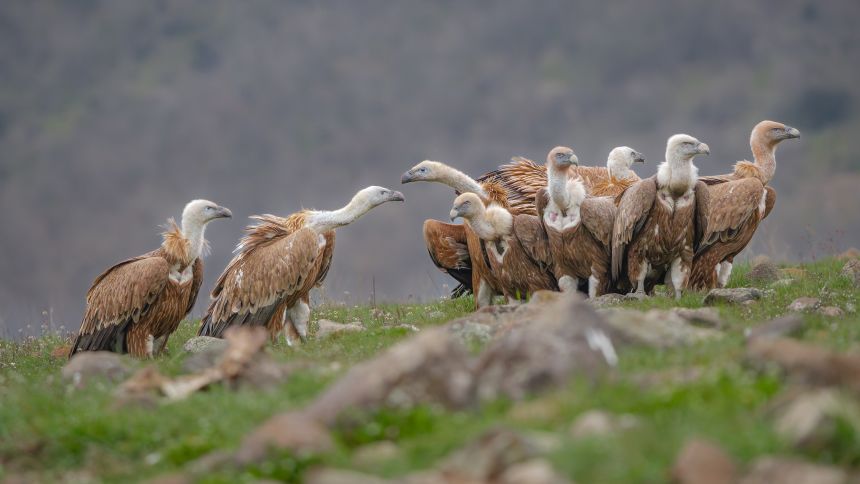
Conservationists hope a vulture photography competition can help improve the public’s perception of the animals, which play an important ecological role by disposing of carrion.
“People tend to think they’re ugly,” says André Botha, Africa Projects Manager at the Hawk Conservancy Trust, one of the groups behind International Vulture Awareness Day, which organizes the contest. “If you don’t like it, you won’t conserve it.”
The Vulture Interactions photography contest, running for its second year, announced its results on July 20. The winning photos show various vulture species in action, from the bearded vulture, Europe’s rarest vulture, to the California condor, of which there are only about 600 birds left in existence.
Globally, there are 23 vulture species, living on every continent except Australia and Antarctica. Many face serious threats to their survival.
Species in Asia and Africa are “under tremendous pressure,” says Botha. Of the 16 Old World species, which live across Africa, Asia and Europe, seven are critically endangered, and two more are endangered, he says.
He hopes the contest can “make people aware not to judge the vulture book by its cover, but to understand the animal better and (be aware) how incredibly important it is.”
Vultures at risk
When vultures eat dead animals, it helps to stop the spread of disease from rotting meat and saves humans the work of cleaning it up. “There is no other animal on the planet that is designed to do what vultures do,” says Botha, who is also the co-chair of the vulture specialist group at the International Union for Conservation of Nature (IUCN).
Energy infrastructure — from power lines to wind turbines — and habitat fragmentation threaten vulture populations. Vultures can also be the target of poachers, who sell their body parts. The birds have excellent eyesight, with the ability to spot a three-foot-long carcass from four miles away. Some people buy their heads, believing that will give them the power of foresight.
Poisoning is the main threat. Poachers sometimes intentionally poison vultures, to stop them from circling overhead and drawing attention to their catch. Sometimes people poison predators like lions or hyenas, which in turn kills vultures when they eat the carcasses.
In India, diclofenac, an anti-inflammatory drug, was introduced for veterinary use in the 1990s. The drug, which causes kidney failure in vultures that eat animals treated with it, resulted in the death of 95% of the country’s wild vultures in the second half of the decade.
One study found that may have resulted in 500,000 excess human deaths over five years in the early 2000s, without vultures to stop the spread of disease, and to crowd out feral dogs and rats, which can both pass on infections to humans.
Botha says that he hopes the photography contest can help boost understanding of the crucial role vultures play — even if people still don’t find them aesthetically pleasing. “People will judge them because of what they look like,” he says. “It might be a grudging appreciation for what they do.”
He also hopes the contest can help get more people interested in vulture conservation: “We need to have a younger generation of people to step in and carry the flag forward.”
Some information for this report was gathered via edition.cnn.com.
Community Credibility Vote
Help the community assess this article's credibility. Your vote is weighted by your trust score.
Related Articles
Sponsored
Sponsored