
US Hits Iran's Bridges as Strikes Continue for 6th Night
US Launches New Strikes as Iran Reports Civilian Infrastructure HitThe fight over one of the world's busiest oil corridors isn't slowing down. Overnight into Friday, the United States carried out its
US Launches New Strikes as Iran Reports Civilian Infrastructure Hit
The fight over one of the world's busiest oil corridors isn't slowing down. Overnight into Friday, the United States carried out its sixth consecutive night of strikes against targets across southern Iran, and this time the damage extended well beyond military hardware.
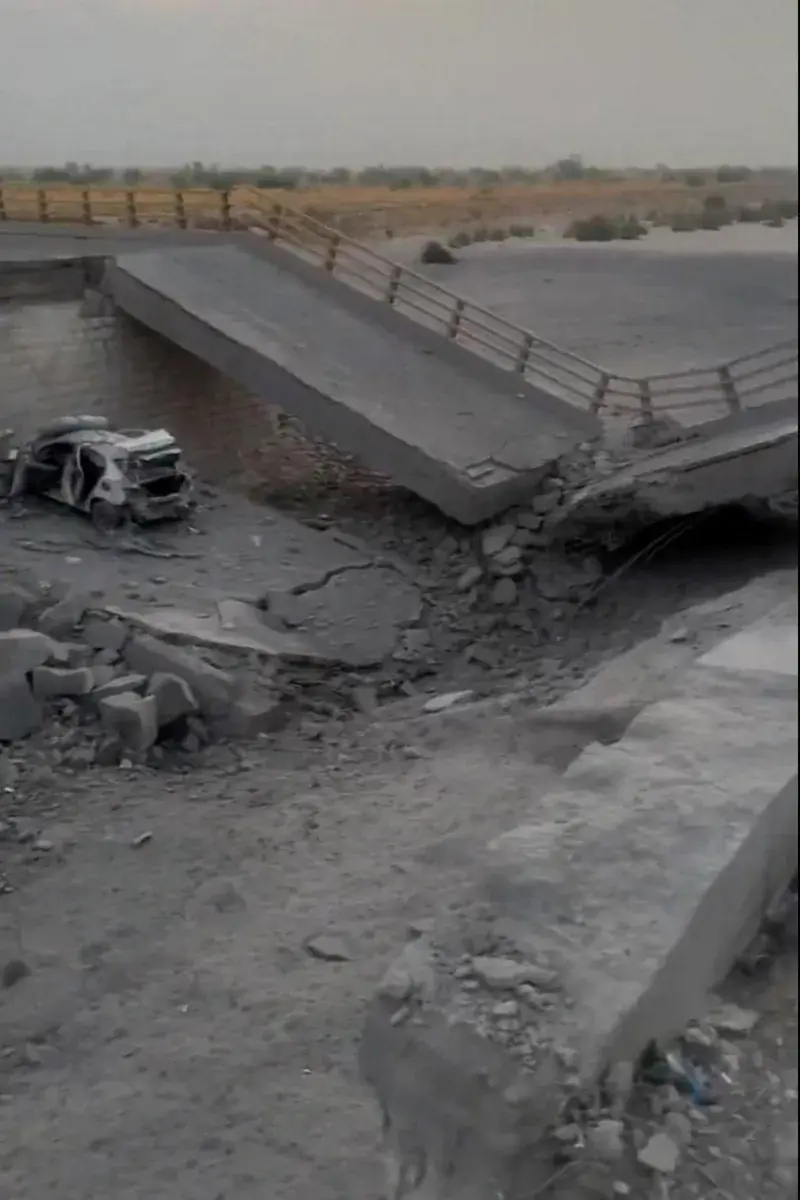
Iranian state media reported that at least seven people were killed and nine injured after US forces struck bridges in Bandar Khamir, a coastal city in Hormozgan province sitting right on the Strait of Hormuz.Tehran reported several deaths as the United States attacked Iran for a sixth consecutive night, with strikes targeting infrastructure in the country's south, and Iranian media reported explosions and attacks in Qeshm Island, Bandar Abbas, Chabahar, Iranshahr and Bandar-e Khamir. It's the kind of escalation that had been threatened for months, and now it's playing out night after night. Al Jazeera
What US Central Command Says It Hit
According to US Central Command, the latest wave of strikes ran for several hours and covered dozens of targets.Central Command said it struck dozens of Iranian targets over the course of seven hours, including missile and drone sites and coastal defense systems, with the goal of further degrading Iran's ability to threaten commercial shipping. Notably, Centcom's public list of targets didn't mention bridges specifically — it framed the operation around military logistics and coastal surveillance sites, not transportation infrastructure. That gap between the official target list and what actually got hit on the ground is part of why this particular round of strikes has drawn extra scrutiny. CBS News
Beyond Bandar Khamir, reports point to a broader spread of damage. A railway junction in Bandar Abbas was reportedly hit, and Iran's energy ministry said power lines in Bandar Abbas and surrounding villages were damaged. CNN geolocated footage showing damage to the Kahurestan Bridge, which links Bandar Abbas to Shiraz — Iran's fifth-most populous city. Two bridges in Khamir County alone, the Geryveh and Kahurestan bridges, were reportedly struck in a single night. CNN

Chabahar Port and the Wider Strike Pattern
The strikes also appear to have reached Chabahar port on the Gulf of Oman — a strategically important trade route for landlocked Afghanistan that Iran had been operating with support from India.The strikes appeared to have collapsed a tower at Iran's Chabahar port, and Defense Secretary Pete Hegseth shared an image of the surveillance tower appearing to fall. That image had already been circulating on social media through activist accounts before Hegseth posted it, which says something about how much of this war is being documented and verified in near real-time by open-source analysts rather than official channels alone.
Chabahar isn't a random target, either — it's been hit by American airstrikes before, and its role as a shared Iran-India trade route adds a layer of complication that goes beyond the immediate US-Iran conflict.
A Threat That Trump Had Already Made
None of this came out of nowhere. Weeks earlier, President Trump had explicitly threatened to target Iran's power plants and bridges if the Strait of Hormuz wasn't reopened, warning on social media of an unprecedented response if Iran didn't comply by his deadline. That threat drew immediate condemnation from human rights officials, who argued that deliberately targeting civilian infrastructure crosses a legal line under international law — a position that remains contested by supporters of the strikes, who frame bridges and power infrastructure as dual-use military logistics targets rather than purely civilian assets. [VERIFY: exact current casualty and injury tally, as figures are being updated by
The Blockade and Maritime Fallout
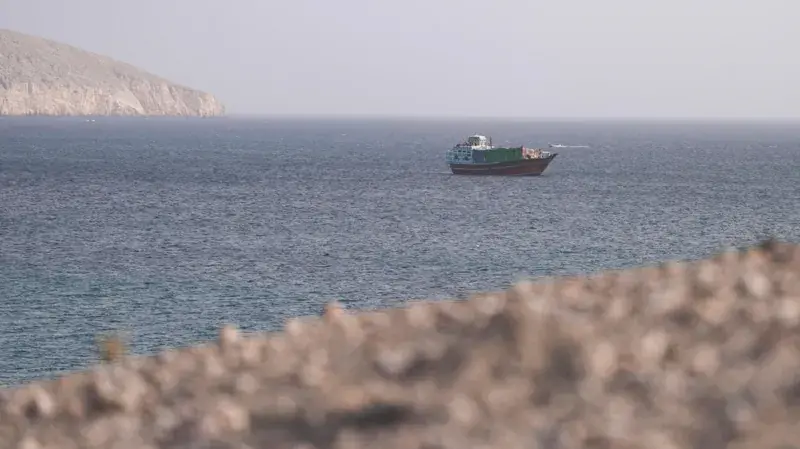
The infrastructure strikes are happening alongside a naval standoff. US forces reportedly boarded an oil tanker in the Gulf of Oman as part of an ongoing blockade effort targeting Iranian shipping, and Centcom said it redirected several commercial vessels attempting to bypass the blockade. Separately, a tanker was reportedly hit by an unidentified projectile near Khasab in Oman, though all crew members were reported safe.
This maritime dimension isn't a side story — it's arguably the center of the whole conflict. The Strait of Hormuz handles roughly a fifth of the world's oil transit, so any disruption there ripples through global energy markets almost immediately. Two Indian seafarers were reportedly killed in attacks on vessels transiting the strait earlier in the week, prompting India's Directorate General of Shipping to advise against deploying Indian crews on ships passing through the waterway until further notice.
how Strait of Hormuz disruptions affect global oil prices
Where Diplomacy Stands
Despite the intensity of the strikes, diplomatic channels haven't fully closed. The White House has said Trump remains open to a negotiated resolution, while insisting Iran can't fire on ships in the strait without consequences. On the Iranian side, top negotiators have pushed back against any deal seen as one-sided, arguing that Iran's national security depends on control over its own maritime arrangements rather than terms set externally.
That tension — a war still being fought even as both sides gesture toward the negotiating table — is probably the clearest way to understand where things stand right now. Six nights of strikes, a naval blockade, and reported civilian casualties haven't shut down talk of diplomacy entirely, but they also haven't produced a ceasefire.
Why This Matters Beyond the Region
Conflicts centered on chokepoints like the Strait of Hormuz rarely stay contained. Oil price volatility, shipping insurance costs, and rerouted trade all tend to spread the economic impact well past the immediate parties involved. For businesses and governments watching from outside the region, the bridges and ports being hit aren't just local infrastructure — they're nodes in a global supply chain that doesn't have many alternatives if this waterway stays contested.
Stay Informed as the Conflict Develops
This is a fast-moving situation, and details — casualty counts, specific targets, and diplomatic positions — are shifting by the day. If you're tracking the broader implications for shipping, energy markets, or regional stability, it's worth following verified outlets directly rather than relying on secondhand summaries, given how much of the reporting here is still being confirmed in real time.
Community Credibility Vote
Help the community assess this article's credibility. Your vote is weighted by your trust score.
Related Articles
Sponsored
Sponsored