
Burnham Says Cabinet Still 'Finalising' Before No 10 Move
Burnham Says He Is 'Finalising' Cabinet Ahead of Becoming PM on MondayAndy Burnham isn't ready to show his hand yet. With just days to go before he formally becomes prime minister, the new Labour lead
Burnham Says He Is 'Finalising' Cabinet Ahead of Becoming PM on Monday
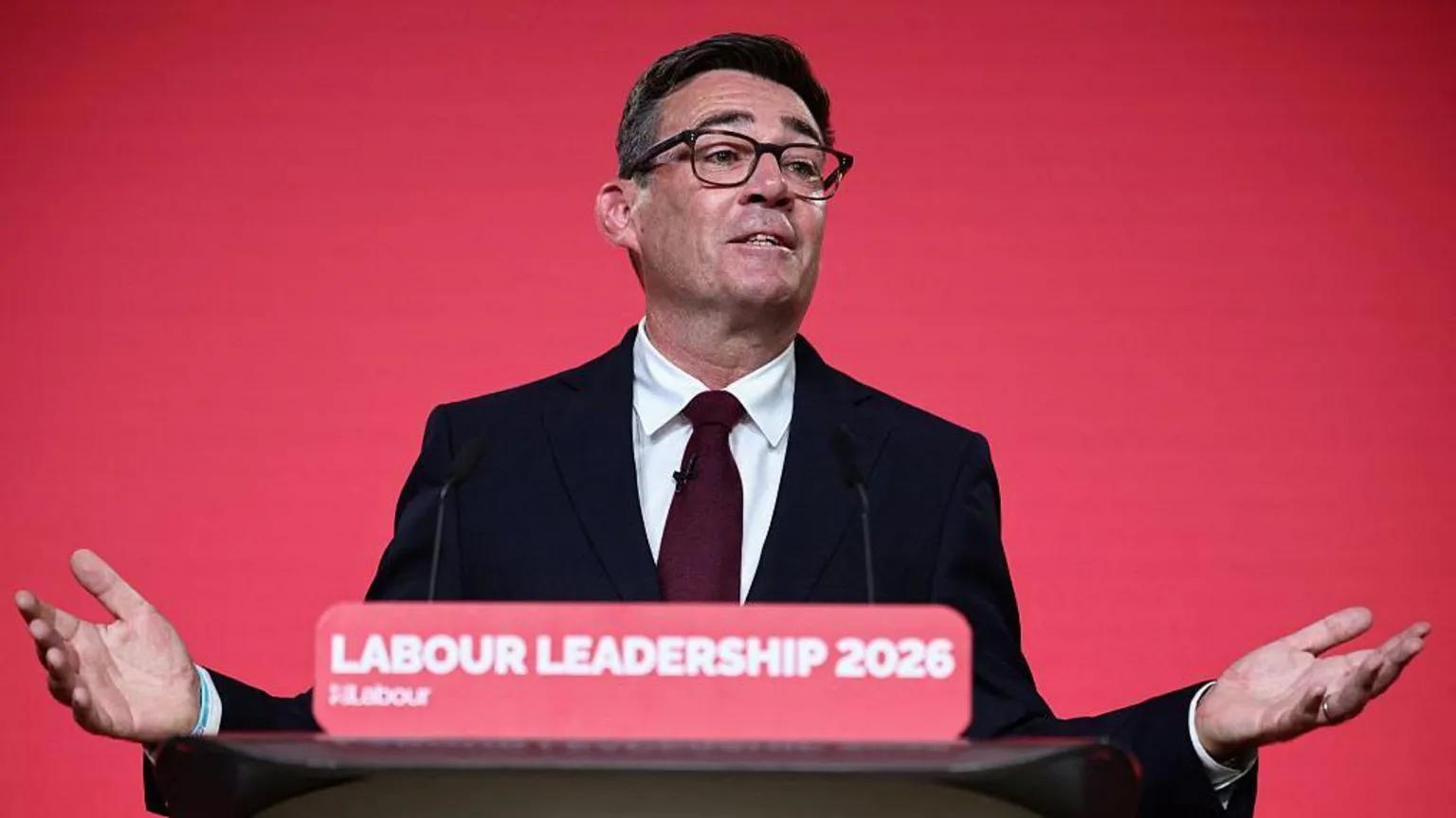
Andy Burnham isn't ready to show his hand yet. With just days to go before he formally becomes prime minister, the new Labour leader confirmed he still hasn't settled on who will sit around his cabinet table — and he's not in a rush to say more before he has to.
Asked directly why the announcement hadn't come sooner, Burnham didn't dodge the question. "It would be somewhat premature and would, I think, cause complete chaos if you start half a reshuffle before you're in the position," he told reporters. It's a fair point, honestly — announcing appointments before officially holding the office he's about to take could create exactly the kind of confusion he's trying to avoid on day one.
Speculation Swirls Over Top Jobs
The guessing game has been running for weeks. Ed Miliband and Shabana Mahmood are both being floated as potential replacements for Rachel Reeves at the Treasury, though Burnham has given nothing away publicly. He says the decisions are close but not final, and that he'll "come to conclusions very shortly" — with the full announcement expected Monday, once he's actually in Downing Street.
Whoever ends up in the top jobs, Burnham has been clear about the principle guiding his choices. He wants a cabinet that reflects "all parts of our party" and "all communities" — a signal, perhaps, that he's trying to avoid the factional battles that have dogged Labour in recent years.
Reaction From Rivals Has Been Mixed
Not everyone is convinced Burnham deserves the benefit of the doubt. Reform UK leader Nigel Farage was blunt, saying Burnham "comes in with absolutely no mandate of any kind at all" and calling for an immediate general election so voters could decide the country's direction themselves.
The response from the Liberal Democrats was warmer. Sir Ed Davey said he welcomed Burnham's call for more collaborative politics, adding that "my door is open." Davey also laid out a few areas where his party wants to see real movement — changes to the water industry, more support for the NHS, and reform of social care, including additional help for family carers. Whether that collaboration extends beyond warm words remains to be seen once Burnham is actually governing.
Meanwhile, Conservative Party chairman Kevin Hollinrake pushed for Parliament to be recalled — it's currently in recess until September — so Burnham could face questions directly from MPs about his plans rather than laying them out only in speeches and press conferences.
From Manchester Mayor to Number 10
Burnham's route to the top job has moved fast, even by Westminster standards. He returned to Parliament just a month ago after winning the Makerfield by-election, and his position as sole leadership candidate was cemented after securing backing from 379 Labour MPs, along with all 11 trade unions affiliated with the party. That's about as decisive a mandate as party politics gets, even if Farage disputes its legitimacy at the national level.
He takes over from Sir Keir Starmer on Monday following a reception with King Charles III — the formal handover that marks the end of one premiership and the start of another. Sir Keir resigned as Labour leader last month after acknowledging he wasn't best placed to lead the party into the next general election. Heavy losses in May's local elections, followed by Burnham's own by-election win, had left him facing mounting pressure from Labour MPs to step aside.
Burnham didn't shy away from acknowledging that history in his speech, paying tribute to Sir Keir's record — improvements to workers' and renters' rights, falling NHS waiting lists, and bringing rail services back under public control were among the achievements he singled out.
Social Care Tops the Agenda — and It's Personal
If there's one policy area Burnham has been consistent and specific about, it's social care. He told reporters he plans to "expend quite a lot of political capital" fixing what he calls a long-neglected part of the system. Unlike the NHS, social care in England isn't free at the point of use, and high costs can leave people selling their homes just to cover what they need. It's worth noting that social care is a devolved matter, so any reforms Burnham pushes through will apply to England specifically, not the whole of the UK.
This isn't a new interest for him. Back when he served as health secretary under Gordon Brown, just weeks before the 2010 general election, Burnham published a white paper proposing a National Care Service that would be free at the point of use. That plan never got off the ground, but the ambition clearly hasn't faded.
What made his comments Friday land differently was how personal they were. "My dad has Alzheimer's, and you see what the staff have to put up with. It's not their fault. The system's broken," he said. He went further, framing years of political inaction as a failure of nerve: "You can't leave social care like this. And this is part of my criticism of Westminster. It has flinched over the years from these big decisions."
A Government Built Around Devolution
Beyond social care, Burnham used his speech to reaffirm what's been the backbone of his platform since he entered the leadership race — pushing power out of Westminster and into the regions. He described his approach as a rejection of what he called the "neoliberal" policies of the past four decades, a striking line given that he himself served in governments that pursued some of those same policies.
He also made a pointed appeal to party unity, warning that infighting would hand an advantage to Labour's opponents on the right. "We won't beat Britain's new right if we are consumed by infighting and pulling in different directions," he said, framing his leadership style as "problem-solving rather than point-scoring."
Unison's Linda Hobson, representing one of the unions that backed Burnham's leadership bid, put it plainly: he "must get this right and bring back the hope he promises." That's the pressure Burnham now carries into Downing Street — high expectations from within his own movement, a skeptical opposition watching for missteps, and a party that's trailed Reform UK in the polls for close to 18 months.
What Comes Next
Monday will bring more than just the formal transfer of power. It's expected to be the moment Burnham reveals his top team, and with it, the first real signal of how he intends to balance the competing wings of his party. Until then, the speculation over Reeves' replacement, the shape of his devolution agenda, and how far he'll actually go on social care reform will keep running. Keep an eye on the announcement — it'll tell us a lot more about where Burnham plans to take the country than any speech has so far.
Andy Burnham, Labour leader, prime minister, cabinet, Sir Keir Starmer, social care reform, devolution, Rachel Reeves, chancellor, Downing Street, Labour Party, UK politics, Makerfield by-election, National Care Servicev
Community Credibility Vote
Help the community assess this article's credibility. Your vote is weighted by your trust score.
Related Articles
Sponsored
Sponsored