
Trump Weighs Wider Iran Strikes Amid Strait Tensions
Trump Iran strikes, Strait of Hormuz, Kharg Island, Pickaxe Mountain, Iran nuclear program, US military operation Iran, JD Vance Iran negotiations, Iran oil exports, US-Iran tensions
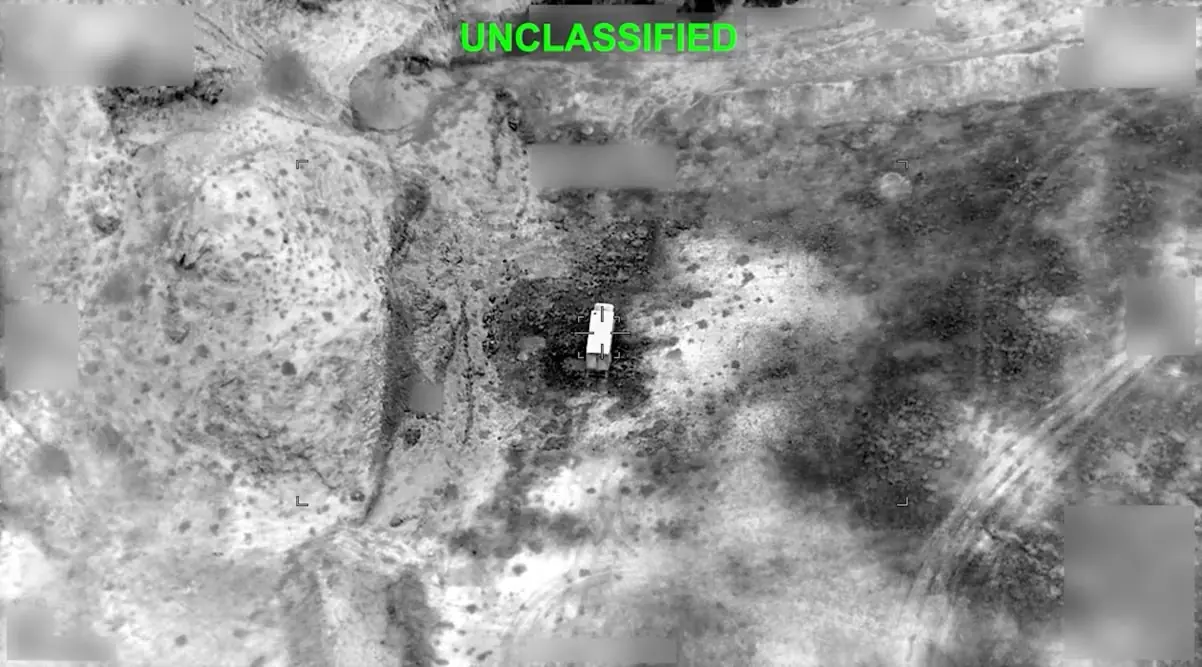
Trump Weighing Options for Expanding Military Operations in Iran
Tensions between Washington and Tehran have entered a new, more uncertain phase. According to CNN, citing two people familiar with internal discussions, President Donald Trump has been presented with several options for widening US military action against Iran — a shift that could mark a significant escalation beyond the strikes already underway.
The discussions reportedly aren't happening in isolation. Trump has said publicly that he intends to hit Iran harder in the coming days, and CNN reports that includes potential threats to civilian infrastructure and energy targets. Behind closed doors, the report says, he's been weighing different scenarios with senior officials — the goal being to find enough pressure to push Iran toward accepting US demands, after diplomatic efforts have so far come up short.
Strikes Near the Strait of Hormuz Continue
Over the last several days, US forces have carried out daily strikes on Iranian military positions along the Strait of Hormuz — one of the world's most critical shipping chokepoints for oil. CNN reported that Wednesday's strike hit Greater Tunb Island, a small landmass Iran has reportedly used as a military base in the area.
Officials say the immediate aim is straightforward: limit Iran's ability to interfere with commercial vessels trying to pass through the strait. But there's a second layer to it. Taking out radar systems and missile launchers doesn't just protect shipping — it also clears the way for larger operations, should Trump decide to move forward with them.
[Internal link opportunity: Strait of Hormuz and global oil shipping routes]
Kharg Island and Pickaxe Mountain: The Bigger Targets
CNN's sources say Trump is now considering two major targets: Kharg Island, a key hub for Iranian oil exports, and underground facilities at Pickaxe Mountain, which are believed to be linked to Iran's nuclear program.
Trump reportedly confirmed interest in both during interviews this week, though he hinted the ground portion of a Kharg Island operation might not fall on US forces. Speaking on Fox News, he said other nations "will do the ground campaign," without naming which ones or offering further detail. [VERIFY: which allied countries, if any, have agreed to this role]
This wouldn't be the first time Trump has signaled — then pulled back from — major escalation. But his patience appears to be wearing thin. Iran hasn't budged on the nuclear terms he's set, and the strait remains contested. That combination seems to be driving the shift in tone.
Mixed Signals From the White House
Trump's public statements this week haven't been entirely consistent. At a defense industry event in Pennsylvania, he suggested Iran is eager to make a deal, saying the two sides will "find out" whether they settle or "finish it off." Just days earlier, though, he'd dismissed further talks with Iran as a "waste of time."
That back-and-forth isn't unusual for how Trump has handled Iran throughout his term — but it does make it harder to predict what happens next, especially with military options actively on the table.
[Internal link opportunity: Timeline of US-Iran nuclear negotiations]
Vance Pushes a Different Message
Not everyone in the administration is emphasizing force. Vice President JD Vance, who CNN describes as the administration's lead negotiator with Iran, took a notably different tone in a lengthy interview with Joe Rogan. Vance argued that military strikes alone — taking out radar, drones, or missile systems — won't solve the underlying problem, since Iran can still strike ships passing through the strait relatively easily. His point, in short: at some stage, this has to be resolved through negotiation, not just firepower.
That's a meaningfully different emphasis than what's coming from Trump's public comments, and it suggests there's real debate inside the administration over how far to take this.
What Happens Next
Right now, there's no confirmation on when — or if — Trump will greenlight the larger operations under discussion. What's clear is that the situation remains fluid, with daily strikes continuing even as the bigger decisions are still being weighed. Given how quickly this story is developing, anyone following it closely should expect updates in the days ahead rather than a single resolution.
Stay updated on how the Strait of Hormuz standoff develops and what it could mean for oil markets and global shipping routes in the weeks ahead.
Reporting based on CNN's coverage. Read the full original report at CNN.
Community Credibility Vote
Help the community assess this article's credibility. Your vote is weighted by your trust score.
Related Articles
Sponsored
Sponsored